
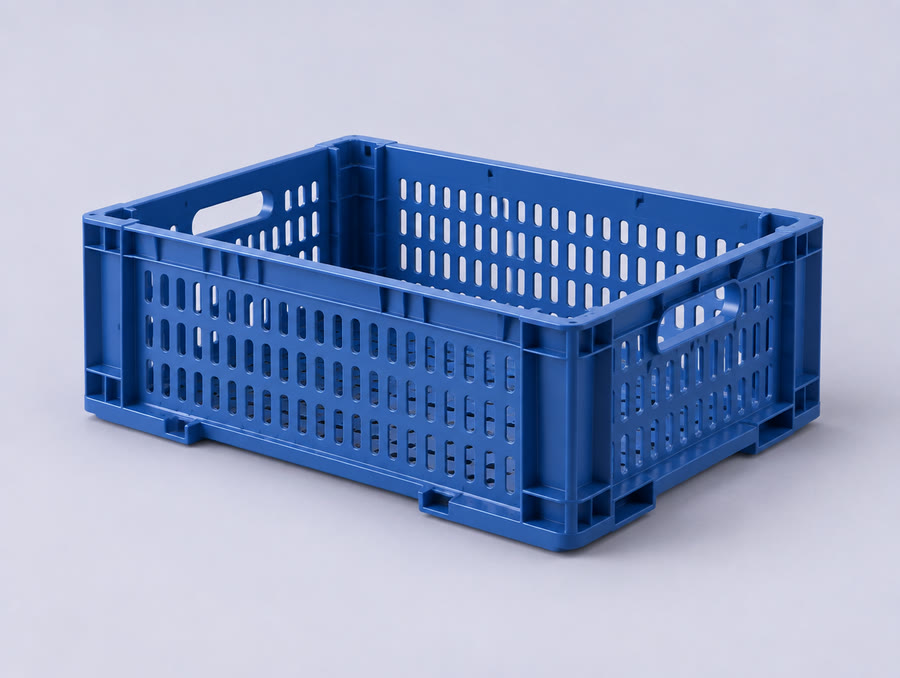
Plastic
- Surface
- Plastic crate
- Target
- Salmonella
- Result
- >4.88 log reduction
Surface sanitizer guide
Chlorine is cheap and fast but loses strength in dirty water. Quats are gentle on equipment and leave a residual film. Peracetic acid works in cold water and handles biofilms better than most. A waterless gas-phase treatment adds a step that leaves nothing wet behind, which matters where water is the problem. None of them work on a surface that hasn't been cleaned first.
Side by side
| Chlorine | Quats | Peracetic acid (PAA) | Waterless gas-phase | |
|---|---|---|---|---|
| Food Code use | 50–99 mg/L at 75°F or warmer (pH 8 or less), or 100 mg/L at 55°F or warmer. | At the label concentration, in water at least 75°F with hardness no higher than 500 mg/L or the label limit. | At the EPA-registered label concentration. | Not a liquid sanitizer, so the Food Code tables don't apply. It's an added treatment step. |
| Contact time | 10 seconds, or 7 seconds for 50 mg/L at the right temperature and pH. | 30 seconds under the Food Code, longer if the label says so. | 30 seconds under the Food Code, longer if the label says so. | Less than 30 seconds in many applications. |
| Strengths | Inexpensive, fast and broad-spectrum. | Noncorrosive, low odor, leaves a residual antimicrobial film. | Works from near freezing to 40°C, tolerates hard water, effective against Listeria biofilms. | No water, no residue, and the gas reaches curves, perforations and edges. |
| Watch out for | Loses strength fast with organic matter. Corrosive and pH-sensitive. | Weaker against some Gram-negative bacteria. Some detergents interfere, so rinse well. | Strong, pungent odor. The concentrate is an irritant and can corrode soft metals over time. | Treats exposed surfaces only. It doesn't remove soil, so cleaning still comes first. |
| Leaves behind | Water to drain and dry. | A residual film, plus water to drain and dry. | Water to drain and dry. Breaks down to acetic acid, water and oxygen. | Nothing wet. Breaks down to water and oxygen. |
The standard
Sanitizing is a defined number, not a feeling. The FDA Food Code defines sanitization as treatment that reduces the microorganisms of public health importance by 5 log, or 99.999%. EPA uses the same bar for food-contact sanitizers: a product like a quat has to show a 99.999% reduction of the test bacteria within 30 seconds to be registered for food-contact surfaces.
Compare that with a non-food-contact sanitizer, which only has to reach 99.9% in 5 minutes. The surfaces that touch food get held to a standard 100 times stricter, in a tenth of the time.
The catch is that those numbers come from lab tests on clean surfaces. On a real line, how well a sanitizer performs depends on what's left on the surface before it gets there.
Cleaning
University of Florida extension guidance puts it bluntly: organic matter dramatically reduces the activity of sanitizers and can totally inactivate them. Chlorine is the most sensitive. Food soil uses it up before it reaches the bacteria.
That's why the order never changes: remove the soil, rinse, sanitize. FDA's preventive controls rule (21 CFR 117.35) says food-contact surfaces have to be cleaned as often as needed to protect against contamination and allergen cross-contact, and on wet-processing lines, cleaned and sanitized before use and after any interruption where they may have been contaminated.
Biofilms raise the stakes. Bacteria that settle into a biofilm are far more resistant to antimicrobials than free-floating cells, and the same extension guidance notes that surfaces with biofilms can't be effectively sanitized. Scrubbing and good equipment design do more against biofilms than any sanitizer choice.
The chemistries
Most plants use more than one. Here's how the three common chemistries tend to be used:
Moisture
Every liquid sanitizer brings water with it, and pathogens like water. FDA's draft Listeria guidance warns that standing water in a plant can be conducive to Listeria contamination, and that in dry processing environments the absence of water prevents its growth. It also advises against high-pressure hoses during production where ready-to-eat food is exposed.
In low-moisture plants, the concern is Salmonella. FDA's 2025 draft guidance for low-moisture ready-to-eat foods says even small, sporadic amounts of water can let environmental pathogens grow, links improper water use during cleaning to the spread of Salmonella, and recommends dry cleaning wherever practical. The preventive controls rule requires surfaces in these plants to be clean and dry before use, and thoroughly dried after any wet cleaning.
That's the gap a waterless step is built for: a treatment between cleanings, or in places where adding water creates more risk than it removes.
Waterless gas-phase
In a gas-phase system like Clean Works, UV-C light activates hydrogen peroxide and ozone to form hydroxyl radicals inside an enclosed chamber. The gas surrounds whatever passes through, so it reaches perforations, corners and edges that sprays and UV light alone can miss, then breaks down into water and oxygen. The food-contact surfaces page covers conveyors, crates, tools and packaging.
Reusable crates show why reach matters. In a 2021 study, polypropylene crate material carried a higher risk of Salmonella cross-contamination to produce than cardboard or wood fiberboard. In another study on used crates, 200 ppm chlorine and peracetic acid left visible attached Salmonella behind. In Clean Works third-party testing, Salmonella on plastic crates was reduced by more than 4.88 log.
A gas-phase step is not a cleaning step. It works on exposed surfaces, so soil, food residue built up in a niche and biofilms still need to be cleaned away. It also doesn't replace the sanitizing your food safety plan already requires. It adds a waterless layer where you need one.
Clean Works results
Third-party results on food-contact surfaces from the Clean Works validation library, including testing with food residues present. Results vary with the surface, treatment conditions and how the surface is presented.
Before you decide
FAQs
Cleaning removes soil and food residue. Sanitizing reduces the bacteria left on the cleaned surface to a safe level, which the FDA Food Code defines as a 99.999% reduction. Sanitizing a surface that hasn't been cleaned doesn't work, because organic matter weakens or inactivates the sanitizer.
Sources
Outside facts on this page were checked against these sources on . Clean Works figures come from our published validation results.
Talk to our team
Tell us about the surfaces, equipment and containers in your plant and how you clean them today. We'll send the surface results and an honest view of where a waterless step could help.