
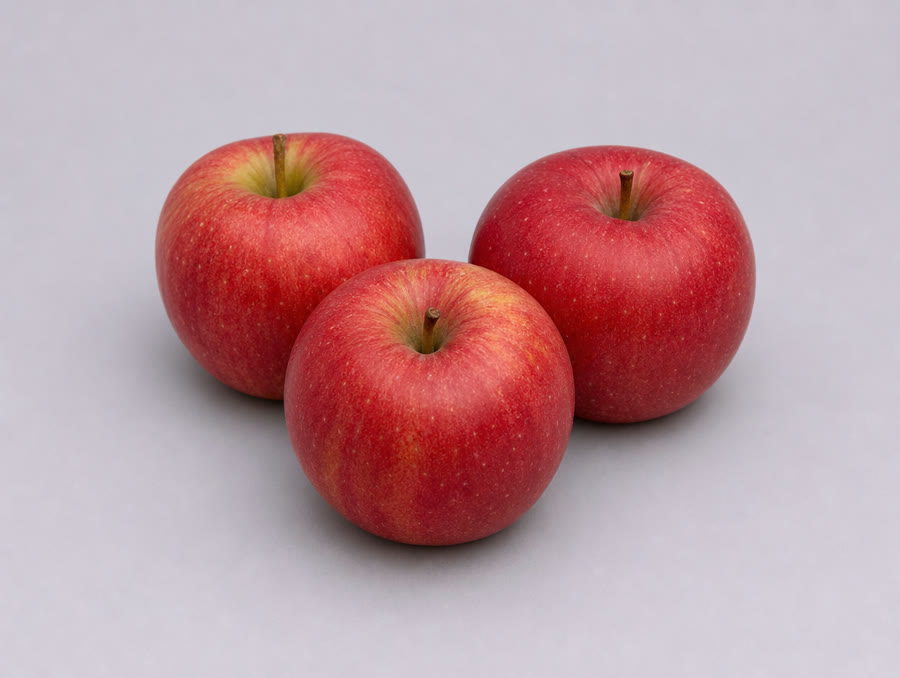
Apples
- Product
- Whole apples
- Target
- Listeria
- Result
- 2.32 log reduction
Produce wash guide
Chlorine is cheap and familiar, but organic matter and high pH use it up fast. Peracetic acid holds up better in dirty water and needs no rinse, but it costs more and is capped at 80 ppm. A waterless gas-phase step has no wash water to dose, test or change, but it does not clean soil off the product. The right choice depends on how your product arrives, what it can tolerate and what your buyers ask for.
Side by side
| Chlorine | Peracetic acid (PAA) | Waterless gas-phase | |
|---|---|---|---|
| How it works | Free chlorine, mostly hypochlorous acid, kills microbes in the wash water. | Peroxyacetic acid oxidizes microbes in the wash water. | UV-C, hydrogen peroxide and ozone form hydroxyl radicals that act on the product surface. There is no wash water. |
| Typical use | 50–200 ppm with 1–2 minutes of contact, following the product label. | No more than 80 ppm in wash water for processed produce (21 CFR 173.315). | In many applications, treatment takes 30 seconds or less. |
| What weakens it | Soil and plant debris, pH above 7.5 and warm water. | Heavy organic load (less than chlorine), copper, and it breaks down quickly. | It is not a cleaning step. Soil and debris need to come off first. |
| What you monitor | Free chlorine and pH, frequently, plus a water change schedule. | PAA concentration, frequently, plus water cloudiness. | System settings. There is no water at this step to test. |
| Rinse and residue | A potable rinse is often recommended. Chlorate residues matter for some export markets. | No potable rinse required before sale. | Radicals break down into water and oxygen. No residue. |
| Equipment | Corrosive to stainless steel and aluminum. | Not corrosive to equipment. Strong vinegar smell, needs ventilated storage. | A treatment chamber, in the line or as a standalone step. |
Start here
It is easy to assume the sanitizer in a flume or dump tank is cleaning the produce. Extension guidance describes its main job differently: it kills what washes off one piece of produce before that can land on the next piece, or on the equipment.
That matters when you compare options. Chlorine and PAA are mostly protecting the water. A waterless step has no shared water to protect, so it is judged on a different question: how much it reduces on the product surface itself.
Chlorine
Chlorine is the default for a reason. It is inexpensive, widely available and most produce teams already know how to use it. Extension sources usually recommend 50 to 200 ppm with one to two minutes of contact, at a pH of roughly 6.5 to 7.5. Above pH 7.5 more of it turns into the weaker hypochlorite ion, and below 6.5 the water starts to corrode equipment.
The bigger problem is organic matter. Every bit of soil and plant debris uses up free chlorine. In a 2025 Purdue Extension test, a 100 ppm solution dropped to about 1.8 ppm after 1% vegetable matter was added. A tank that tested fine at the start of a shift can be doing very little an hour later, which is why frequent free chlorine and pH checks are part of using it.
If you export, check your buyers' markets too. The EU set maximum residue levels for chlorate in 2020, and the European Commission notes that chlorate comes from chlorine disinfectants used in water treatment and food processing.
Peracetic acid
Peracetic acid (PAA, also called peroxyacetic acid) is the usual step up from chlorine. It keeps more of its activity when organic load is high, it is not corrosive to equipment, and FDA does not require a potable rinse before sale.
There are trade-offs. PAA costs more than chlorine, it breaks down quickly so concentration still has to be checked often, it has a strong vinegar smell and it loses effectiveness around copper. For fruits and vegetables that are not raw agricultural commodities, such as fresh-cut, FDA caps it at 80 ppm in wash water, with hydrogen peroxide no higher than 59 ppm.
Waterless gas-phase
A gas-phase system like Clean Works treats the product inside a chamber instead of in a tank. UV-C light activates hydrogen peroxide and ozone to form hydroxyl radicals, which damage the cell membranes, proteins and DNA of microbes on the surface, then break down into water and oxygen. The technology page walks through each step.
Because there is no shared water, there is nothing to carry contamination from one piece to the next, and nothing to dose, test or change at that step. That is the main reason to consider it, along with avoiding a wet product going into packing or freezing.
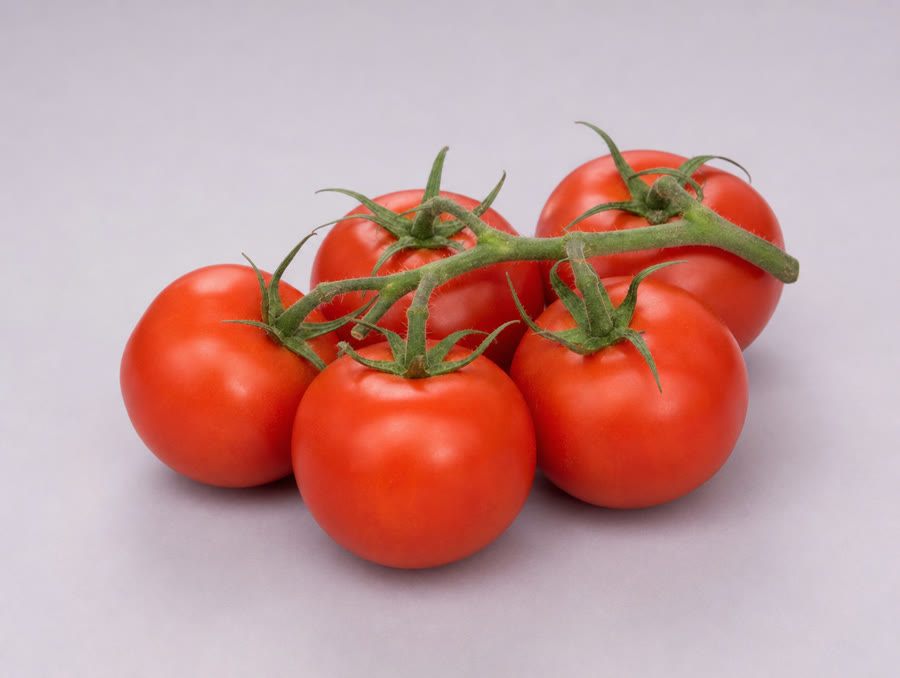
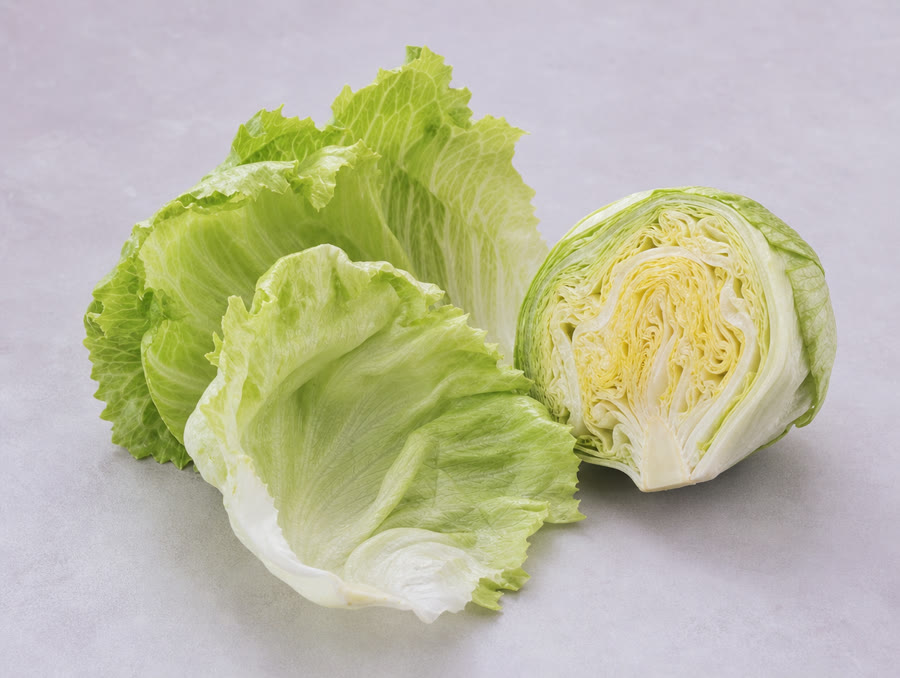
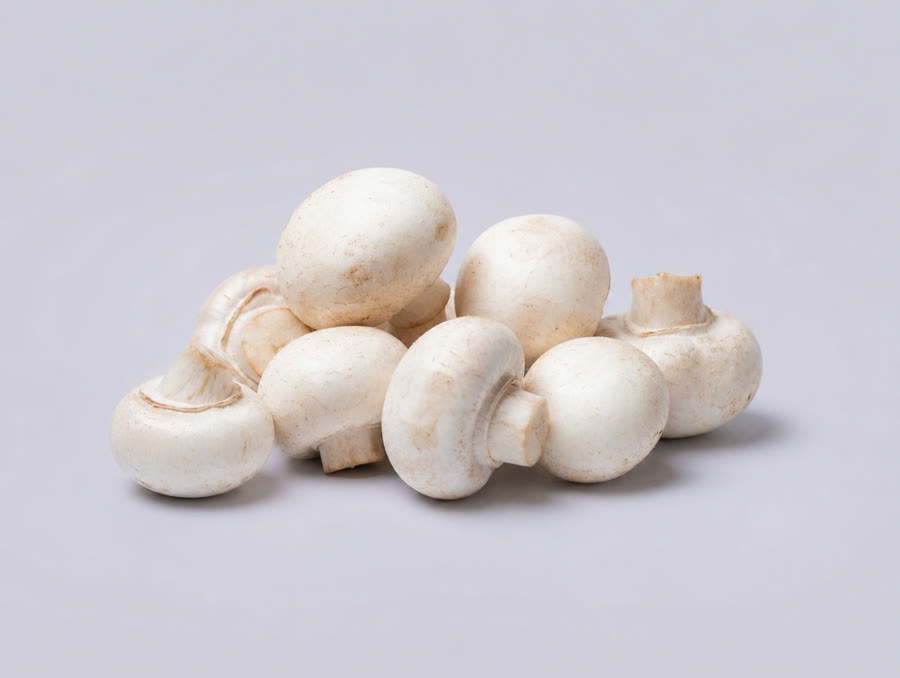
It is not the answer to everything. A gas-phase step does not remove soil, so heavily soiled product still needs cleaning first. Results also depend on the product. On fresh produce, our published reductions are mostly between 2 and 3.5 log, not the 5-log figures you will see for smooth surfaces. You can see every result on the results page.
Regulation
Subpart E of the Produce Safety Rule covers harvest and post-harvest water. It does not tell you which sanitizer to use. It does set the standard the water has to meet and how you manage it:
Regulation
A waterless treatment step uses no water, so there is no water at that step to test, treat or change. It does not take the rest of your operation out of the rule. Any water you still use elsewhere, and every other part of the Produce Safety Rule, still applies. Compliance dates passed in January 2023 for larger farms, January 2024 for small businesses and January 2025 for very small businesses.
Clean Works results
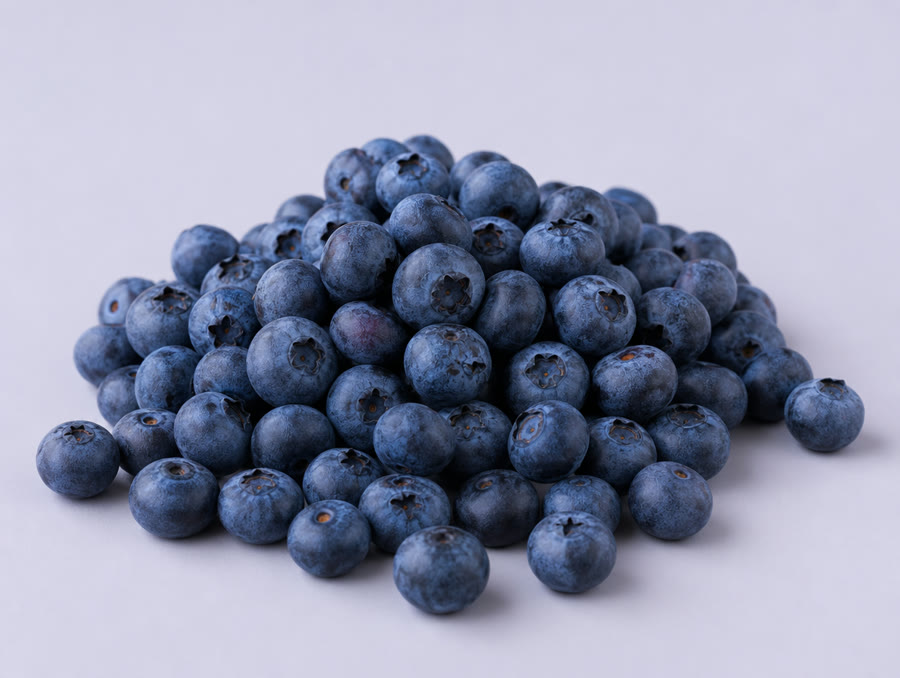
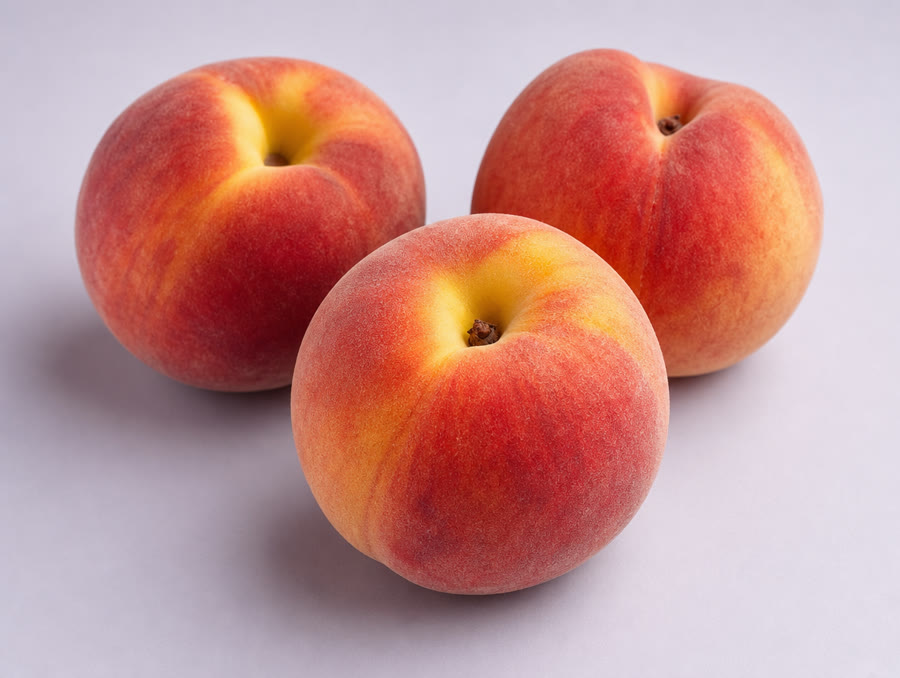
Third-party results from the Clean Works validation library. Reductions vary with the product surface, the organism, treatment conditions and how the product is presented.
Before you decide
FAQs
It depends on your water. PAA holds up better when organic load is high, does not corrode equipment and needs no potable rinse. Chlorine is cheaper and familiar, but soil and high pH use it up quickly, so it needs closer monitoring.
Sources
Outside facts on this page were checked against these sources on . Clean Works figures come from our published validation results.
Compare it on your product
Tell us what you run and how you wash it today. We'll send the results that match your product and an honest view of whether a waterless step makes sense for you.