
Poultry
- Product
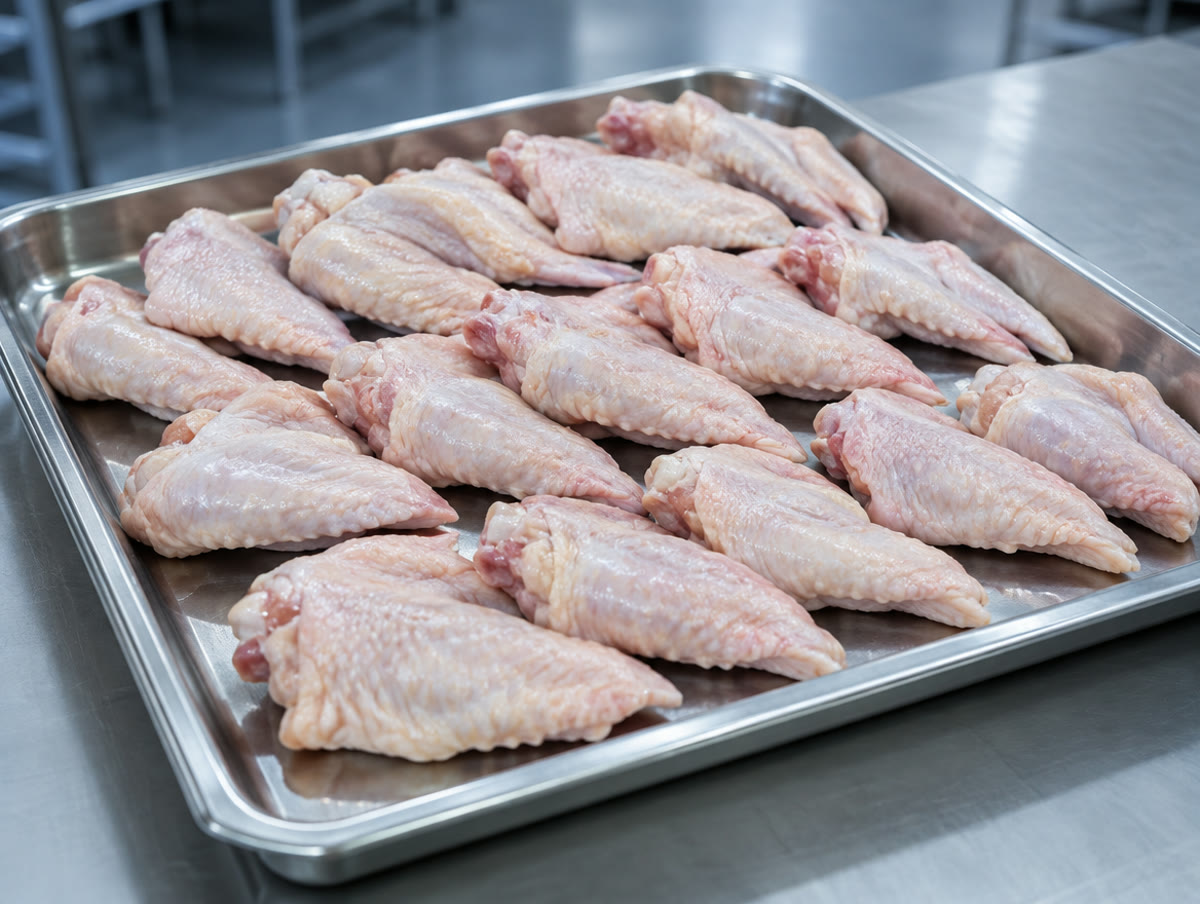
- Raw chicken wings
- Target
- Salmonella
- Result
- 1.08 log reduction
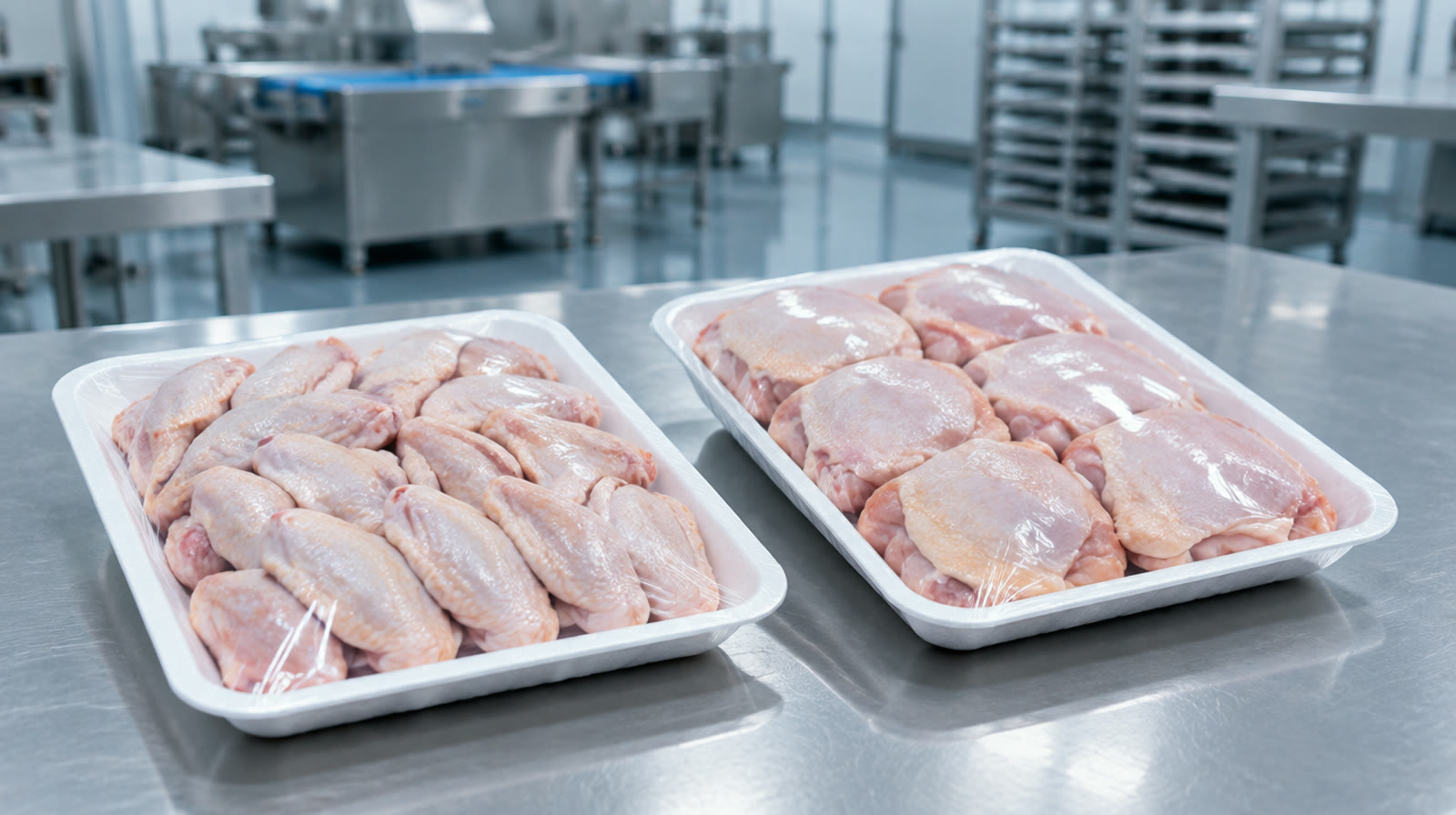
Poultry processing guide
Most US poultry plants now rely on peracetic acid (PAA), and in studies it beats chlorine on Salmonella. Cetylpyridinium chloride (CPC) can do better again on parts but comes with rinse and recapture rules. Every one of these is a wet step that only reaches the surface, and none gets close to sterilizing the bird. FSIS withdrew its 2024 plan to make Salmonella an adulterant in raw poultry, so the 2016 performance standards still apply. Here's how the options compare.
Side by side
| Chlorine | Peracetic acid (PAA) | Cetylpyridinium chloride (CPC) | Waterless gas-phase | |
|---|---|---|---|---|
| How it's used | In chiller water and process water. | Dips, sprays, chiller water and scald water, on carcasses and parts. | Sprays and short dips on carcasses and parts. | Gas surrounds product on a conveyor, with no liquid. |
| Typical limit | Up to 50 ppm free available chlorine in poultry process water. | Depends on the formulation: 220 to 230 ppm for many older ones, up to 2,000 ppm for some newer ones. | Up to 0.8% by weight, with recapture and a potable water rinse if no chiller follows. | Product-specific validation rather than a concentration limit. |
| Salmonella on parts (one study) | Less than 1 log, no better than water. | About 1.5 log. | About 2.5 to 3.5 log. | 1.08 log on raw chicken wings in Clean Works testing. |
| Main drawbacks | Quickly used up by organic matter in chiller water. | Worker exposure; some plants measure air levels above the ACGIH short-term limit. | Strict application rules, and few plants use it. | Smaller reductions on skin-on product than on hard surfaces. |
The rules
CDC estimates Salmonella causes about 1.35 million infections in the US every year, mostly from food. In the latest IFSAC attribution report, published in 2026, chicken was the top single source, at 19.1% of foodborne Salmonella illnesses.
In August 2024, FSIS proposed a Salmonella framework for raw poultry. Raw chicken carcasses, parts and comminuted chicken and turkey would have been adulterated at 10 CFU per gram or more of any Salmonella, if they also carried certain serotypes, such as Enteritidis and Typhimurium for chicken. FSIS withdrew the proposal in April 2025 after more than 7,000 comments, saying it would look at whether to update the existing standards instead. It held a public meeting on practical Salmonella strategies in January 2026, but no new proposed rule has followed.
That leaves the 2016 performance standards in place. Over a 52-week moving window, chicken parts can test positive in no more than 15.4% of samples, comminuted chicken 25% and comminuted turkey 13.5%. Plants at or below half the limit are Category 1, plants that pass but go above half are Category 2, and plants that exceed it are Category 3.
One exception is breaded stuffed raw chicken. FSIS declared Salmonella an adulterant in those products at 1 CFU per gram or more in 2024, but in December 2025 it delayed verification sampling indefinitely over test-method false positives.
Peracetic acid
In a 2025 survey of 62 US broiler plants, 90% used PAA on chicken parts after chilling, against 50% using chlorine and 3% using CPC. A 2021 review in the Journal of Food Protection describes PAA as the most popular antimicrobial in the industry, having displaced chlorine.
The reason is performance. In a 2018 study of inoculated chicken parts dipped for 23 seconds after chilling, PAA cut Salmonella by about 1.5 log, while chlorine and acidified sodium chlorite did no better than plain water. CPC did best, at 2.5 to 3.5 log, but it has to be recaptured, and if no chiller follows, the product needs a potable water rinse. Those rules are part of why few plants use it.
PAA has its own costs. A 2025 study for FSIS of 11 poultry plants found airborne PAA above the ACGIH short-term limit of 0.4 ppm in 13 of 61 jobs measured, at five of the plants. OSHA has no specific PAA standard. Plants that rely on it need ventilation, monitoring and a plan for the people working next to the dip tanks.
Chilling
Chiller water is shared by thousands of birds, and USDA research has long shown it can spread Salmonella between carcasses. Chlorine is quickly used up by organic matter in the tank, which is one reason it struggles. In one commercial plant, 85 ppm PAA in the chiller cut Salmonella-positive carcasses by 92%, against 57% for 30 ppm chlorine.
Much of the value of a chiller antimicrobial is stopping cross-contamination, not sterilizing each bird. And it only reaches the surface. A 2026 study notes that Salmonella inside connective tissue or bone is out of reach of chill-tank antimicrobials.
Water is the other cost. US plants have averaged about 7 gallons per bird, and FSIS rules let chill and wash water be reused for the same purpose only if steps are taken to reduce contamination, and never on ready-to-eat product.
Hurdles
No single step gets Salmonella to zero, so plants use several. Common points include:
Waterless gas-phase
A waterless gas-phase treatment doesn't replace chilling or a PAA program. It can add a step after chilling or before packing that adds no water to the product and no liquid chemical for workers to breathe in. The meat and protein page explains how it fits on a protein line.
In Clean Works, UV-C light activates hydrogen peroxide and ozone to form hydroxyl radicals that surround the product as it moves through the chamber, then break down into water and oxygen. Treatment takes less than 30 seconds in many applications. In third-party testing, Salmonella fell by 1.08 log on raw chicken wings.
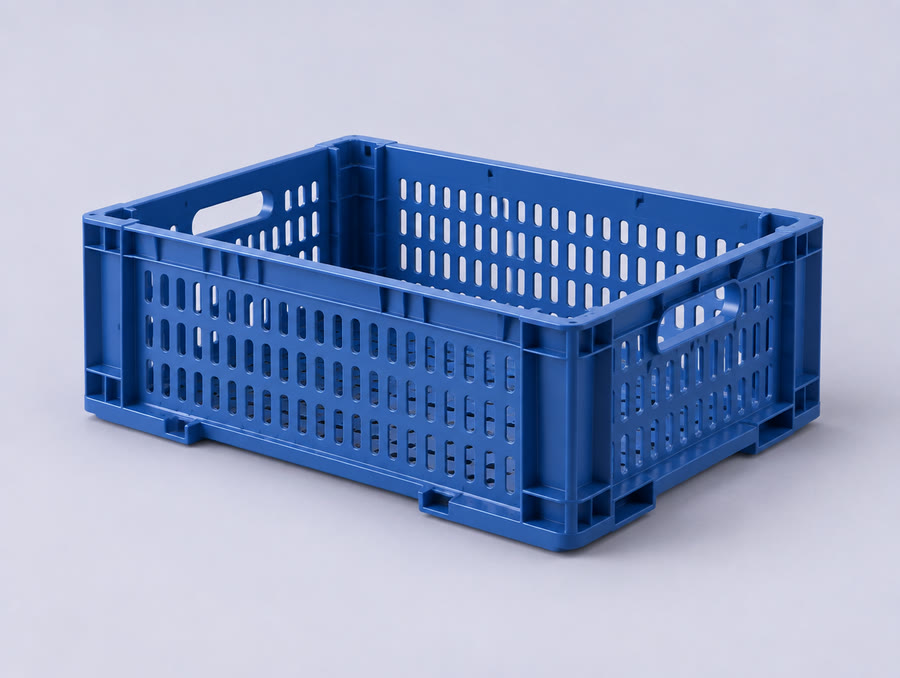
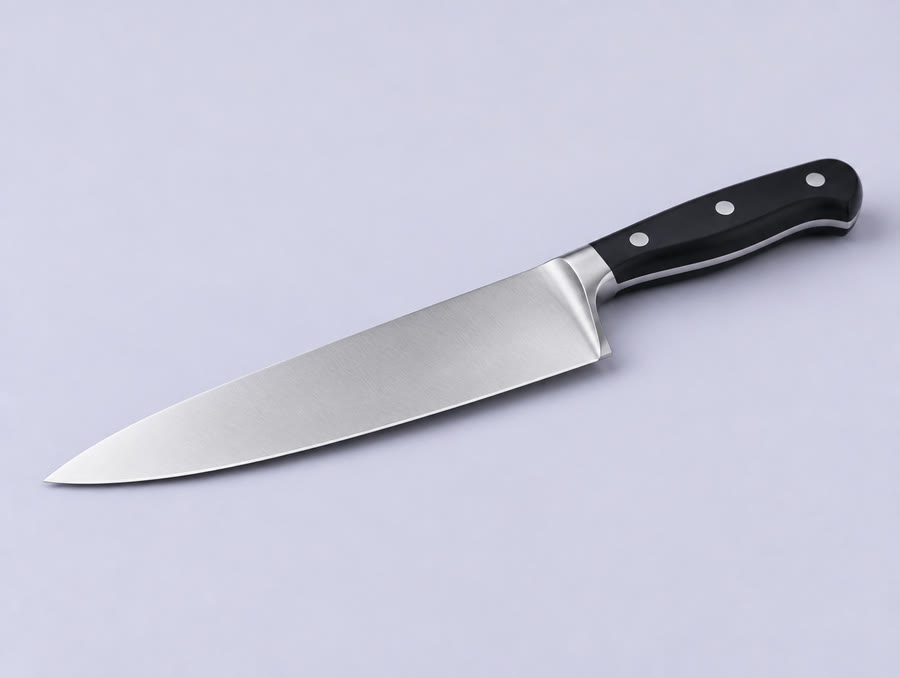
That's in the same range as a PAA dip, not above it. Skin and uneven surfaces shelter bacteria, and results are much higher on hard surfaces: more than 4.88 log for Salmonella on plastic crates and 5.11 log for E. coli on a butcher knife. For a poultry plant, that makes a waterless step most useful as an extra hurdle on product, and on the crates and tools that touch it.
Clean Works results
Third-party results from the Clean Works validation library on raw poultry and on surfaces common in poultry plants. Results vary with the surface, treatment conditions and how the product is presented.
Before you decide
FAQs
Not in most raw chicken. FSIS proposed making it one at 10 CFU per gram for certain serotypes in 2024 but withdrew the proposal in April 2025. It did declare Salmonella an adulterant in breaded stuffed raw chicken products, but verification sampling has been delayed indefinitely.
Sources
Outside facts on this page were checked against these sources on . Clean Works figures come from our published validation results.
Talk to our team
Tell us what you process, which interventions you already run and where your Salmonella positives show up. We'll send the poultry and surface results and an honest view of where a waterless step could help.