
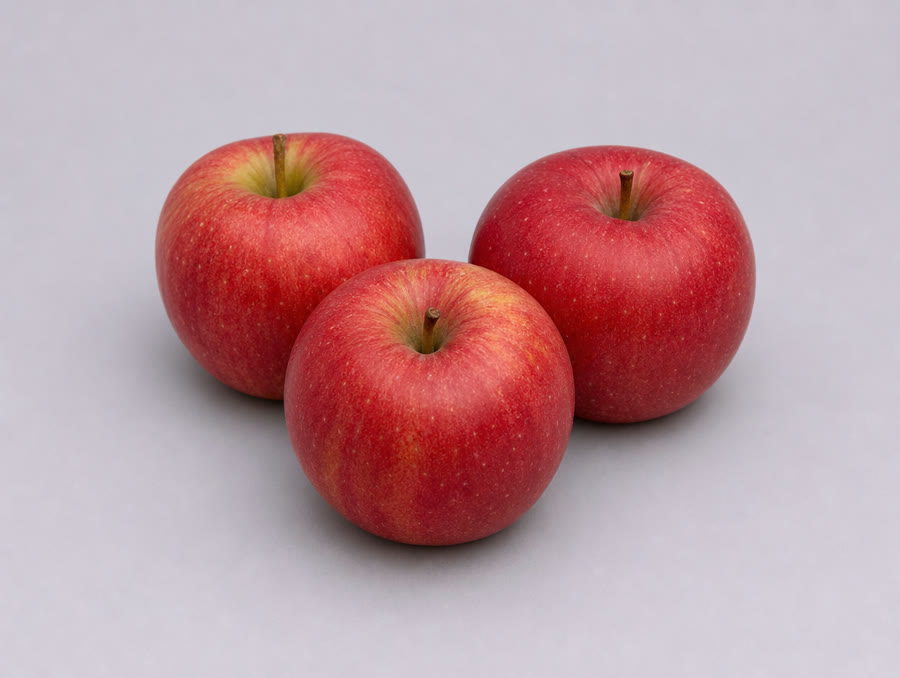
Apples
- Product
- Whole apples
- Target
- Listeria
- Result
- 2.32 log reduction
Technology guide
Each of these works on its own, and each has a weak spot. UV-C only kills what the light reaches. Ozone gas depends on humidity and slows down on dirty product. Hydrogen peroxide is slow at food-safe concentrations, and some bacteria break it down. Combine them and you get hydroxyl radicals, a stronger oxidant than any of the three. That combination is called advanced oxidation. Here's how the options compare, including where the combination still falls short.
Side by side
| UV-C light | Ozone gas | Hydrogen peroxide | Advanced oxidation (combined) | |
|---|---|---|---|---|
| How it kills | Damages DNA in microorganisms the light hits directly. | Oxidizes cell walls and membranes. | Oxidizes cells, partly through the radicals it forms. | UV-C splits peroxide and ozone into hydroxyl radicals, which oxidize cells. |
| Oxidation potential | Not an oxidant. | 2.07 V | 1.78 V | 2.80 V for the hydroxyl radical |
| Main weakness | Shadows, rough surfaces and folds block the light. | Needs high humidity; organic matter uses it up. | Slow at low concentrations; catalase-producing bacteria can tolerate it. | Still a surface treatment; penetrates poorly into grain and dense product. |
| US food rule | 21 CFR 179.39, for low-pressure lamps at 253.7 nm. | 21 CFR 173.368, as an antimicrobial on food since 2001. | 21 CFR 184.1366, for specific listed foods; residue must be removed. | Each input is covered by its own rule; check your specific use. |
| Worker exposure limit | Skin and eye exposure; lamps must be shielded. | OSHA 0.1 ppm over 8 hours. | OSHA 1 ppm over 8 hours. | Enclosed chamber; both gas limits apply around it. |
UV-C light
UV-C at around 254 nm damages microbial DNA. It adds no chemicals and leaves no residue, and FDA allows it for surface microorganism control on food under 21 CFR 179.39, using low-pressure mercury lamps.
The catch is line of sight. A 2022 review of UV on fresh produce lists poor penetration, uneven dose and long treatment times as its main limits, and notes that rough or uneven surfaces block exposure. Results show it. The same review reports 2.1 to 2.9 log reductions of E. coli O157:H7 on apples and pears, but only 1.1 to 2 log on strawberries and raspberries, even at much higher doses. On blueberries, reductions on the smooth skin reached 3.1 to 5.5 log, against 1.5 to 2.1 log at the calyx.
Ozone
FDA approved ozone in 2001 as an antimicrobial on food, including meat and poultry, in gas or water. It's a stronger oxidant than chlorine, and leftover ozone breaks down to oxygen.
How well it works depends a lot on conditions. A 2023 review puts the best relative humidity at about 90 to 95% and notes that organic matter reduces its effect. Treatments can also be long: in one study, 9 ppm ozone for six hours cut E. coli O157:H7, Salmonella and Listeria on fresh-cut peppers by about 2.6 to 3.1 log.
Ozone is also toxic to breathe. OSHA's limit is 0.1 ppm averaged over eight hours, and NIOSH sets 5 ppm as immediately dangerous to life and health. It can also damage rubber gaskets and other polymers.
Hydrogen peroxide
Hydrogen peroxide breaks down into water and oxygen, which is why it's widely used to sterilize aseptic packaging. FDA lists it as GRAS for specific foods, such as milk for cheesemaking and starch, and requires residual peroxide to be removed.
On its own, it works slowly at the low concentrations suited to food. A classic review in Clinical Microbiology Reviews notes that bacteria producing catalase can tolerate lower concentrations, and that killing spores takes 10 to 30% peroxide and longer contact times.
Advanced oxidation
When UV-C hits hydrogen peroxide, each molecule splits into two hydroxyl radicals. UV-C also breaks ozone down into hydroxyl radicals, and ozone reacts with peroxide to make more. The hydroxyl radical has an oxidation potential of about 2.8 V, higher than ozone, peroxide or chlorine, and it lasts only microseconds before it's gone.
That combination has been studied for years at the University of Guelph. In a 2008 study on lettuce, UV-C with heated peroxide cut Salmonella by 4.12 log on the surface and 2.84 log inside the tissue, significantly more than either step alone and more than a 200 ppm chlorine wash. Later work moved to a gas-phase process with UV-C, peroxide and ozone together. It gave a 3 log reduction of Listeria on apples, including inside the stem scar, 3.9 to 4.8 log on grapes, and more than 5 log of Salmonella on eggs in 10 seconds, without damaging the cuticle.
It isn't magic. At commercial scale on romaine lettuce, a gas-phase unit cut E. coli by 1.63 log, and three units in a row by 2.05 log, still well above the 0.57 log from a chlorine wash in the same study. On wheat kernels, reductions were only 1.3 log because the radicals can't get into the grain, and bleach did better. Like any surface treatment, it works best where the gas can reach every side of the product.
Choosing
A rough guide, based on the research above:
Clean Works
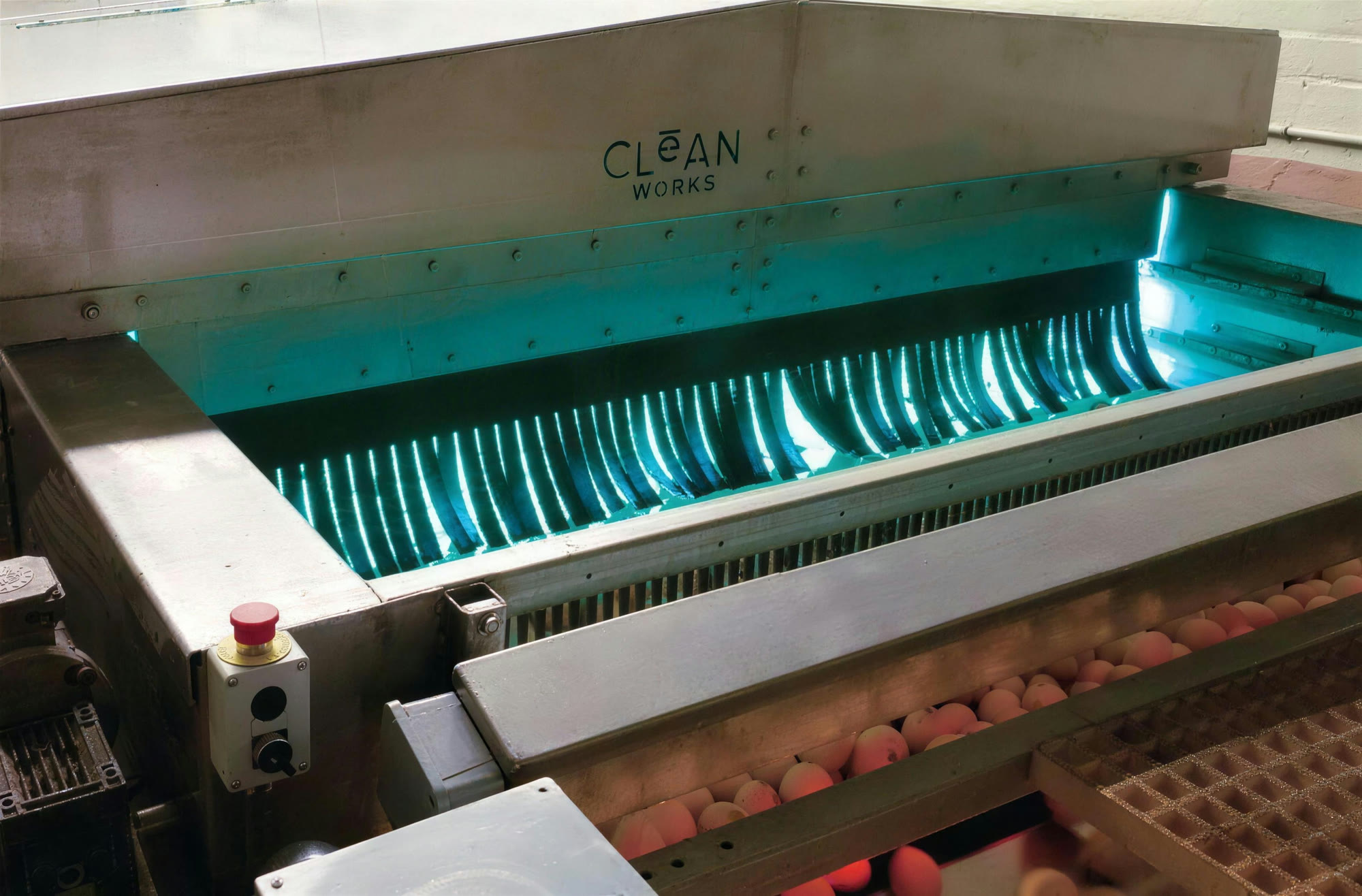
Clean Works is built on this combination. Inside the treatment chamber, UV-C light activates hydrogen peroxide and ozone to form hydroxyl radicals that surround the product as it moves through, then break down into water and oxygen. Treatment takes less than 30 seconds in many applications, without wetting the product. The technology page explains each step.
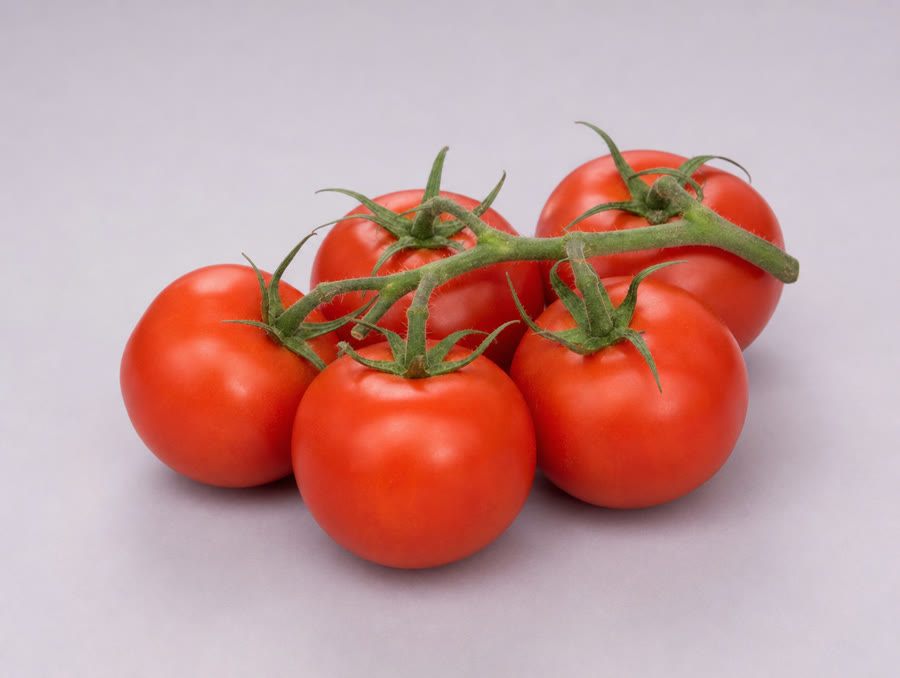
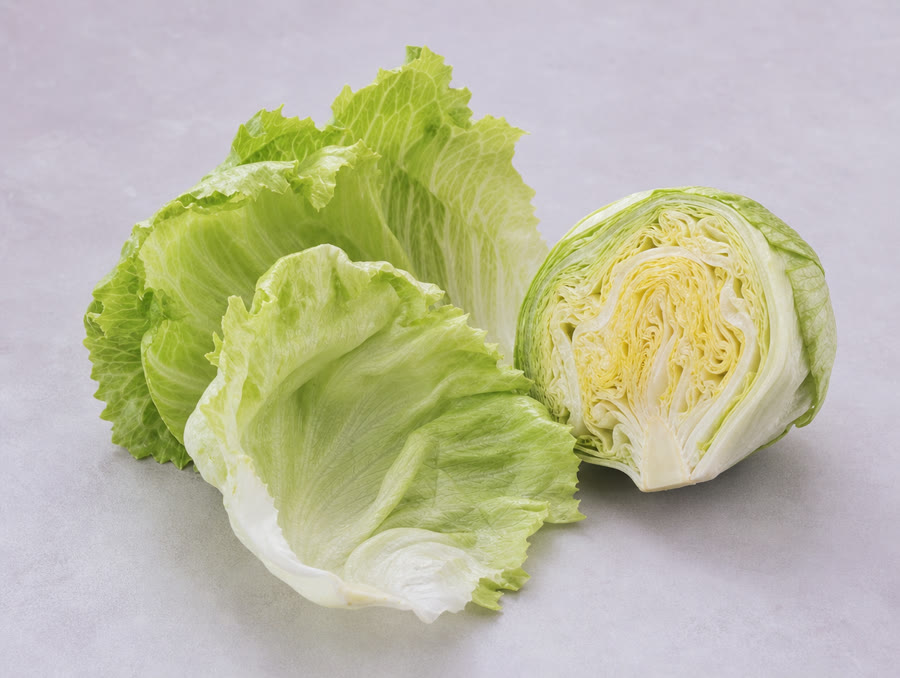
In third-party testing, Clean Works reduced E. coli by 2.47 log on whole-leaf iceberg lettuce, Salmonella and E. coli by 2.22 and 3.55 log on whole tomatoes, and Listeria by 2.32 log on whole apples. Results vary with the product, and they're specific to the conditions tested.
Clean Works results
Third-party results from the Clean Works validation library on produce with leaves, curves and stem ends that UV-C alone struggles to reach. Results vary with the product surface, treatment conditions and how the product is presented.
Before you decide
FAQs
Yes, when used as allowed. FDA permits UV-C from low-pressure mercury lamps for surface microorganism control on food under 21 CFR 179.39. It leaves no residue, but the lamps must be shielded to protect workers' skin and eyes.
Sources
Outside facts on this page were checked against these sources on . Clean Works figures come from our published validation results.
Talk to our team
Tell us what you process and which technologies you're comparing. We'll send relevant validation data and an honest view of where advanced oxidation fits, and where it doesn't.